Drainage Issues And Artificial Turf Repair Solutions
Local contractors specializing in drainage issues and artificial turf repair can help resolve water problems and restore your turf’s appearance and functionality effectively.
Property owners dealing with drainage issues and artificial turf repair often find themselves facing challenges that can impact the safety, appearance, and functionality of their outdoor spaces. Whether uneven surfaces, pooling water, or damaged turf are affecting the aesthetics or usability of a yard, exploring practical solutions is essential. Local contractors specializing in drainage and turf repair can assess specific property needs, helping to resolve problems efficiently and effectively, so outdoor areas remain safe and visually appealing.
Understanding the importance of proper drainage and well-maintained artificial turf can motivate property owners to seek professional assistance. Repair services offered by local experts address common concerns such as poor water runoff, turf wear and tear, or uneven surfaces, restoring the landscape’s integrity. Keep reading to discover how these specialized services can provide lasting solutions, ensuring outdoor spaces look great and function properly for years to come.
- Drainage repair - homeowners experiencing pooling or flooding in their yard can rely on local contractors to improve drainage systems and prevent water buildup.
- Artificial turf repair - property owners noticing uneven surfaces or damaged sections may seek local pros to restore the appearance and functionality of their turf.
- Drainage solutions - those dealing with soil erosion or water runoff issues can find local service providers to install or upgrade drainage infrastructure.
- Artificial turf patching - clients with worn or torn turf can work with local contractors to perform seamless repairs and extend the turf’s lifespan.
- Drainage system upgrades - property managers facing persistent water issues might contact local pros to enhance existing drainage and avoid future problems.
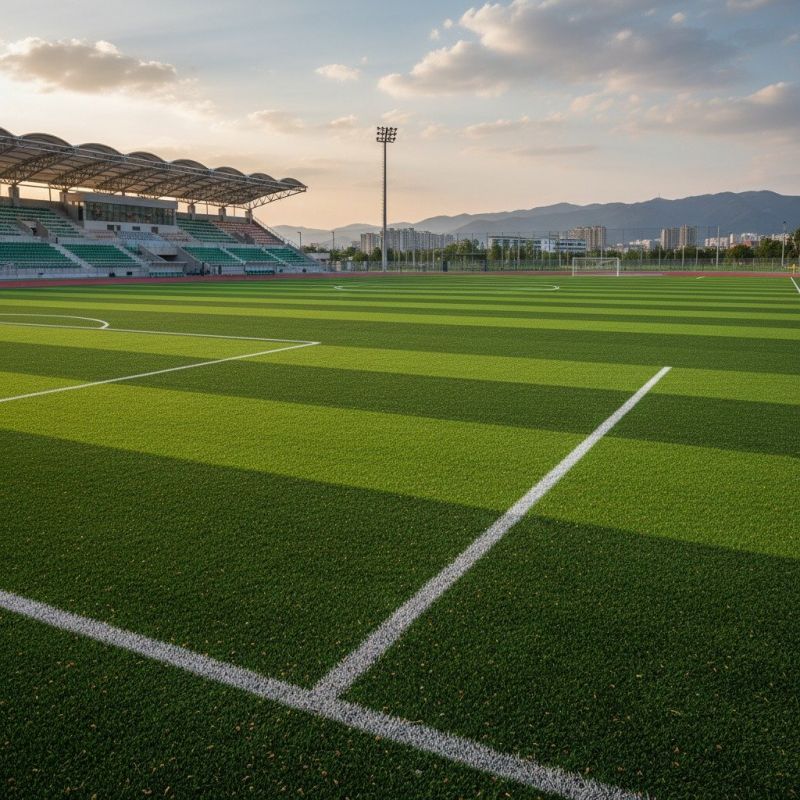
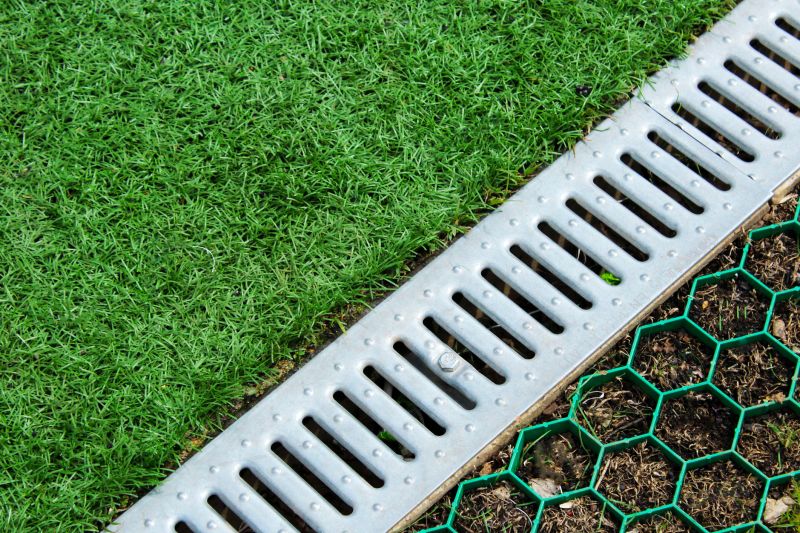
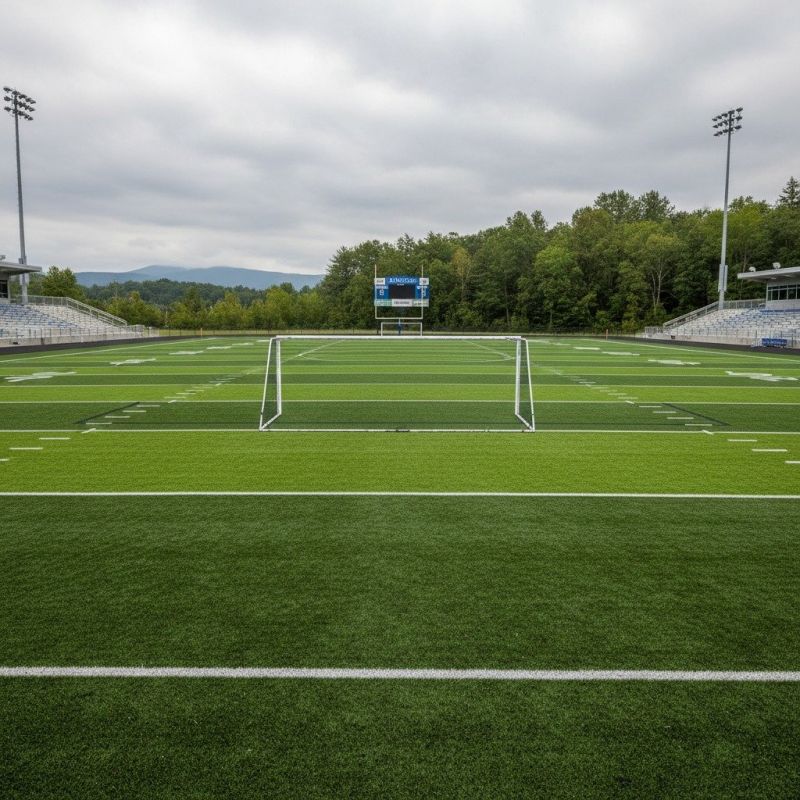
Drainage issues and artificial turf repair solutions are common concerns for homeowners looking to maintain a functional and attractive outdoor space. When people search for this topic, they often want to understand how to address problems like pooled water, uneven surfaces, or soggy patches that can develop over time. These issues can lead to damage not only to the turf but also to underlying soil and landscaping features. Homeowners may also be exploring options for fixing or replacing artificial turf that has become worn, stained, or torn, especially if it no longer provides the desired appearance or usability. Understanding the connection between proper drainage and turf longevity helps ensure that repairs are effective and long-lasting.
Many drainage problems relate to property features such as sloped yards, improper grading, or inadequate drainage systems that fail to channel water away from the surface. Excess water can cause artificial turf to lift, develop mold or mildew, and deteriorate faster. Conversely, poor drainage can lead to erosion or foundation issues if water pools around the home’s foundation. Turf repair solutions often involve installing or upgrading drainage systems like French drains, catch basins, or grading adjustments to redirect water flow. These measures help prevent recurring problems, making turf repairs more effective and reducing the risk of future damage.
Properties that typically encounter drainage and turf issues include residential lawns, backyard sports fields, commercial landscaping, and community parks. These areas often see heavy foot traffic or frequent use, which can accelerate wear and tear on artificial turf. Additionally, properties situated on slopes or with poorly designed drainage tend to experience more persistent water pooling or erosion problems. Homeowners with landscaped yards, pool surrounds, or outdoor entertainment spaces may find that addressing drainage and turf repair needs helps restore the functionality and appearance of their outdoor environments.
Local service providers specializing in drainage and artificial turf repair can assess specific property conditions and recommend tailored solutions. Whether it involves fixing existing drainage systems, installing new ones, or repairing damaged turf sections, these professionals bring practical expertise to ensure the problem is resolved effectively. Homeowners benefit from connecting with experienced contractors who understand local soil conditions, climate factors, and property layouts. This helps ensure that drainage issues are managed properly and turf repairs are durable, ultimately supporting the long-term quality and usability of outdoor spaces.
Landscape Drainage Projects - These projects involve designing and installing proper drainage systems to prevent water pooling and soil erosion, skills that are essential for effective artificial turf repair and drainage solutions.
Soil Grading and Leveling - Proper grading ensures water flows away from turf areas, reducing drainage problems and creating a stable foundation for turf repair work performed by local contractors.
Irrigation System Installation - Installing or upgrading irrigation systems requires planning for water management, which complements drainage improvements and turf maintenance efforts.
Retaining Wall Construction - Building retaining walls helps control soil movement and water runoff, supporting drainage solutions and turf stability in landscaped areas.
Hardscape Installation - The addition of patios, walkways, or other hardscape features involves planning for proper water runoff, aligning with drainage and turf repair needs.
Soil and Subsurface Repair - Addressing underground soil issues and fixing subsurface drainage pathways are crucial steps that local service providers handle to ensure turf longevity and proper drainage.
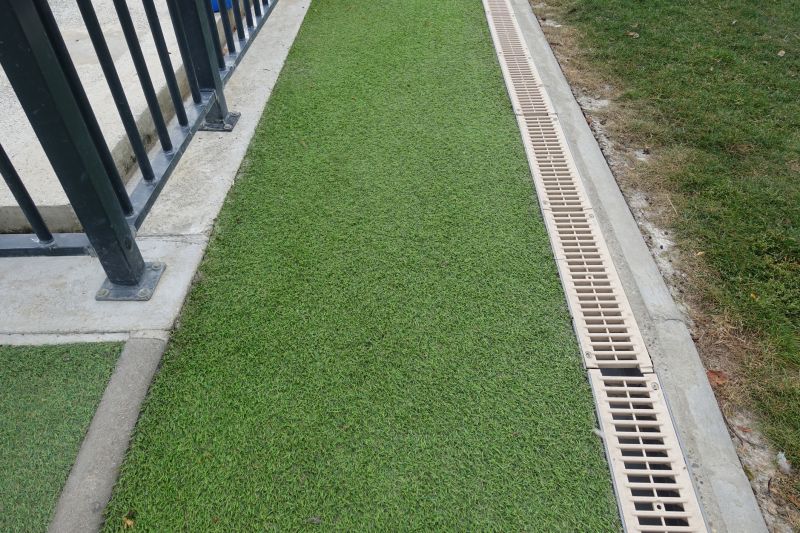
When evaluating service providers for drainage issues and artificial turf repair solutions, it is important to consider their experience with similar projects. An experienced local contractor will be familiar with common challenges related to drainage problems and turf damage, enabling them to develop effective repair strategies. Asking about their previous work on comparable projects can provide insight into their expertise and how well they understand the specific requirements of drainage management and turf restoration. This can help ensure that the chosen contractor has the practical knowledge needed to address the unique conditions of the property.
Clear, written expectations are essential when comparing local contractors for drainage and artificial turf repair services. A detailed scope of work should outline the specific tasks involved, the materials to be used, and the anticipated outcomes. This transparency helps prevent misunderstandings and ensures that both parties are aligned on the project’s goals. When reviewing proposals, look for contractors who provide comprehensive documentation and are willing to clarify any aspects of the plan, making it easier to compare options objectively and select a provider who can deliver the results desired.
Reputable references and effective communication are key factors to consider in the selection process. Service providers with positive references from previous clients demonstrate a track record of reliable work and customer satisfaction. Additionally, good communication throughout the project can lead to smoother execution and quicker resolution of any issues that arise. When comparing local contractors, it is beneficial to inquire about their reputation within the community and their approach to keeping clients informed. This can help ensure that the chosen professional will be responsive, transparent, and committed to delivering a quality solution for drainage and turf repair needs.
Property owners often search for drainage issues and artificial turf repair solutions when they are planning practical projects around their homes and businesses. Local pros provide Drainage and Artificial Turf Repair services for everyday jobs and straightforward project options.
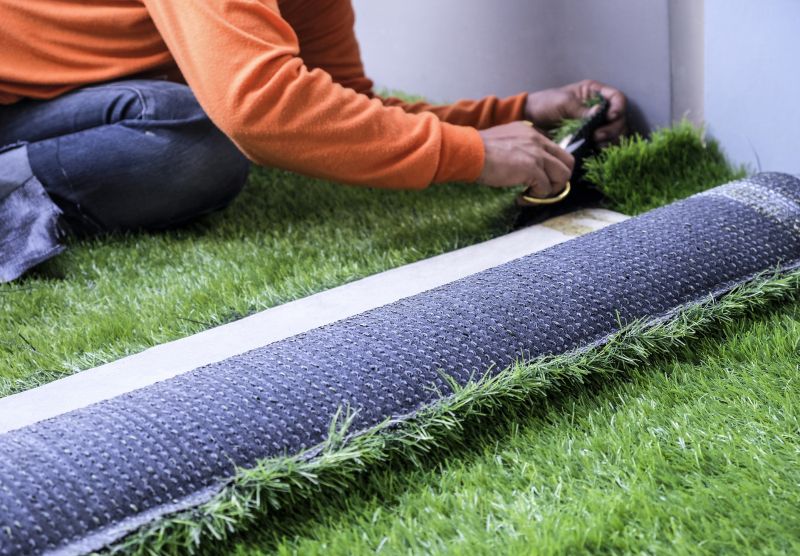
Drainage issues and artificial turf repair solutions are common concerns for property owners in the area, especially after heavy rains or prolonged periods of wet weather. Poor drainage can lead to water pooling on lawns or around paved areas, causing damage to landscaping and creating muddy, unsafe spots. When turf becomes uneven, develops bald patches, or shows signs of sinking, it may be time to seek the expertise of local contractors who specialize in turf repair and drainage restoration. These professionals can assess the situation, identify underlying problems, and implement effective solutions to improve yard functionality and appearance.
Many property owners look into drainage and artificial turf repair services to maintain the safety and usability of their outdoor spaces. Whether dealing with standing water, turf that has become damaged or displaced, or drainage systems that no longer work properly, local service providers can help restore the landscape. They often offer practical repair options that improve water flow and turf stability, ensuring the yard remains attractive and functional. Connecting with experienced local contractors can provide peace of mind that the job will be handled efficiently and effectively.
What are common drainage problems with artificial turf? Common drainage issues include water pooling, poor runoff, and oversaturation, which can lead to turf damage and uneven surfaces. Local contractors can assess the site and recommend effective drainage solutions to prevent these problems.
How can drainage issues affect artificial turf longevity? Poor drainage can cause standing water and increased soil moisture, leading to turf deterioration, mold, and root damage over time. Experienced service providers can implement proper drainage systems to extend the lifespan of the turf.
What repair options are available for damaged artificial turf? Repairs may involve patching, re-leveling, or replacing sections of turf, as well as addressing underlying drainage issues. Skilled contractors can determine the best repair approach based on the extent of damage and drainage concerns.
How do professionals address drainage problems when repairing artificial turf? They typically install or upgrade drainage systems such as gravel layers, perforated pipes, or slope adjustments to ensure water flows away efficiently, reducing the risk of future issues.
What should I consider when choosing a service provider for turf repair and drainage solutions? Look for local contractors with experience in artificial turf and drainage systems, and ensure they can evaluate your site’s specific needs to recommend appropriate repair and drainage solutions.
Assessing drainage patterns - property owners can evaluate how water flows across their yard to identify problematic areas that need better drainage solutions with help from local contractors.
Replacing or repairing damaged turf - damaged sections of artificial turf can be restored or replaced to improve appearance and functionality, with local pros providing expert repair services.
Installing drainage systems - adding French drains or other drainage solutions can prevent water pooling, and local service providers can assist with proper installation tailored to the yard’s needs.
Leveling and grading the landscape - adjusting the slope of the yard helps direct water away from problem spots, with local contractors offering grading services to improve drainage and turf stability.
If you are thinking about drainage issues and artificial turf repair solutions for a property, this guide is meant to help you understand this topic, the typical project types, and how different options might fit your plans.
When you are ready, you can use the quote form on this page to share a few details about your project. From there, local pros can review the basics and follow up with options that match what you have in mind.